Community Context:
Bolorunduro is a semi-urban, closely-knit community in Ifedore Local Government Area, Ondo State. The local economy consists mainly of cocoa, cassava, yam, maize, and timber farmers, alongside petty traders, artisans, and civil servants. Government infrastructure includes a primary school and a Basic Health Centre (BHC) offering 24/7 healthcare services to Bolorunduro and surrounding settlements (Abas).
Baseline Assessment & Identified Challenges
Through Key Informant Interviews (KII), Focus Group Discussions (FGD), Client Exit Interviews (CEI), and baseline monitoring tools, several operational and structural challenges were identified at the facility: Infrastructure Deficits: A leaking roof in the pharmacy and a need for additional patient rooms. Staffing & Maintenance Shortages: Absence of a dedicated gardener/groundskeeper, lack of a laboratory technician (nurses perform tests manually), and the need for unannounced monitoring of facility staff. Supply & Equipment Needs: Low client patronage and a strong demand for Insecticide-Treated Nets (ITNs).
Key Interventions & Findings1. Client Exit Interviews
(CEI)Interviews conducted with malaria clients revealed high community awareness regarding malaria, Tuberculosis, HIV/AIDS, and COVID-19 prevention. Clients expressed overall satisfaction with the timely care received, while requesting provisions for Insecticide-Treated Nets (ITNs).
2. Key Informant Interview (KII)During interactions with the Officer-in-Charge (OIC) and 2IC, facility leadership confirmed that testing kits for malaria and HIV, as well as sample collection materials for TB, are available. However, due to the absence of a lab technician, existing staff carry out diagnostic procedures themselves.
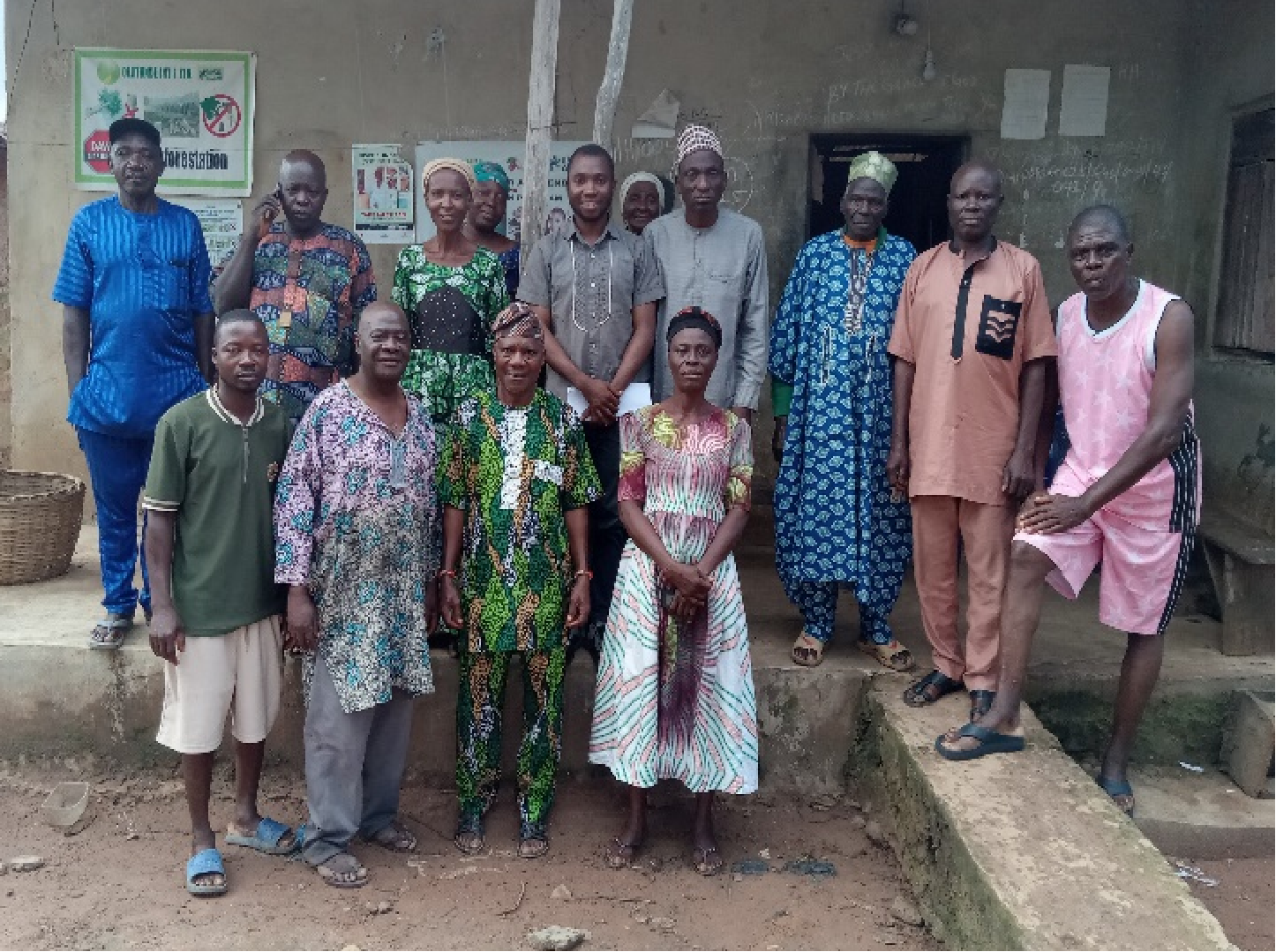
3. Focus Group Discussions (FGD) & Community MobilizationFGDs brought together key community stakeholders to emphasize the need for local ownership of the health center. Key outcomes included: Youth Action: Community youth stepped forward to take over facility groundskeeping, resolving the absence of a gardener. Local Support: A community stakeholder committed to supplying weed-control chemicals for clearing the facility surroundings.
4. Stakeholder Advocacy Visits
Advocacy meetings were conducted
with religious leaders, community elders, local merchants, and the PHC Coordinator: PHC Coordinator Engagement: Provided clarity on funding structures and drug supply channels unique to BHC Bolorunduro. Local Business Contributions:Mr. Omilani Timothy (Cocoa Merchant) pledged 50 building blocks and 2 bags of cement toward expanding the health facility. Mr. Arije Adebayo (Cocoa Merchant) committed additional resources toward facility improvement.
5. Gender-Based Violence (GBV) Outreach
A targeted GBV outreach session was held at CAC Bolorunduro, reaching 215 participants (87 males, 128 females). Attendees showed strong interest in understanding reporting pathways, which were addressed directly by the case manager.
Success Stories & Community Ownership
The intervention catalyzed a shift toward local community ownership: Youth Action: Local youths cleared the facility grounds and gathered sand on-site to prepare for the facility extension. Resource Pledges: Local merchants fulfilled initial commitments of cement, blocks, and weed-spraying chemicals. Grassroots Support: Community members (such as local transport operators) actively assisted in facility upkeep and mobilization.
Implementation Challenges
Weather Constraints: Heavy rainfall periodically delayed scheduled field activities.
Communication Barriers: Unstable cellular networks hindered scheduling and follow-ups with key community stakeholders.
Next Steps & Recommendations
Escalate Infrastructure Needs: Formally escalate major structural repairs (pharmacy roof and room extension) to higher health authorities while supporting ongoing community self-help contributions.
Track Pledges: Closely monitor and follow up on material commitments made by local stakeholders to ensure timely delivery.


