ROTDOW Field Operations

Our Projects & Community Impact

Empowering vulnerable women and children across 18 LGAs in Ondo State through targeted interventions in maternal healthcare, child labor elimination, rights advocacy, social protection, and occupational safety.

35+

Projects Executed

5M+

Beneficiaries Reached

18

LGAs Covered in Ondo

5

State & National Awards

Verified Field Interventions

Ongoing & Archived Programs

CAC/IT/NO 55428 Verified Outreaches
OCCUPATIONAL SAFETY AND HEALTH (OSH) Active
Community
OCCUPATIONAL SAFETY AND HEALTH (OSH)

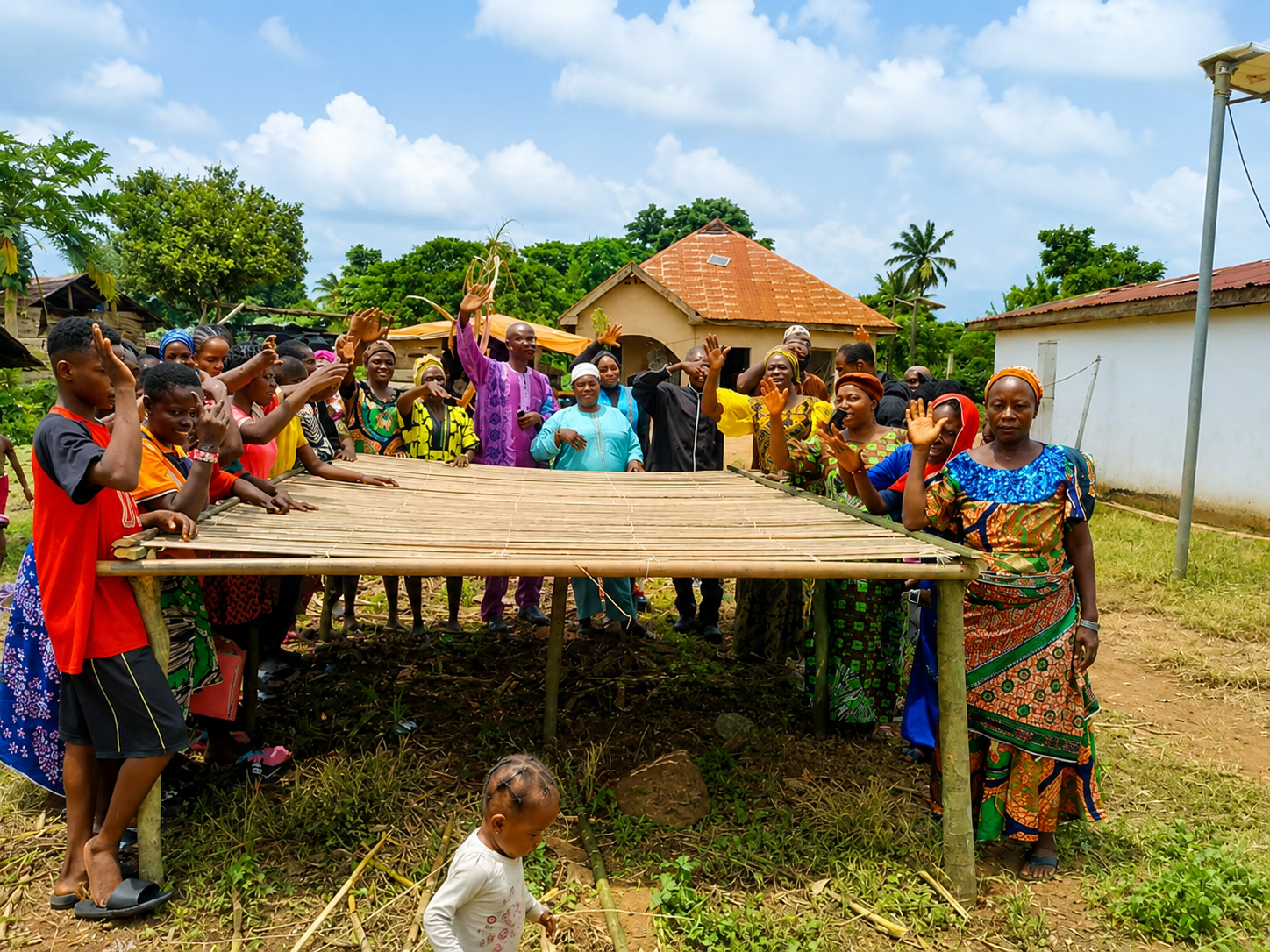
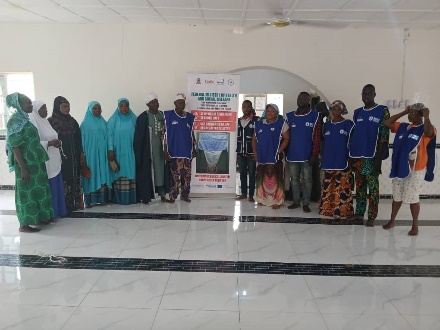
From Training to Action: Communities Adopt Safer Cocoa Drying Practices Turning Knowledge into Action Across Ipoba II, Aponmu and Oke Agunla Communities The impact of Occupational Safety and Health (OSH) training goes beyond the knowledge shared during training sessions. It is measured by the practical changes that communities make to create safer, healthier and more productive working environments. Following the OSH training conducted under the ILO ACCEL Africa Project Phase II, participating communities have begun putting the knowledge and skills gained into practice. One notable example is the adoption of elevated cocoa drying platforms in Ipoba II, Aponmu and Oke Agunla Communities. Traditionally, cocoa is often spread directly on the ground for drying, exposing the produce to dirt, moisture, animals and other contaminants. This practice can also create unnecessary health and safety risks for farmers and their families. The introduction of elevated drying platforms provides a safer and more hygienic alternative. By raising cocoa above ground level, farmers can improve the cleanliness and quality of their produce while reducing exposure to hazards associated with ground-level drying. More importantly, this initiative demonstrates that OSH training can translate into sustainable community-led action. Farmers are not only learning about occupational hazards and risk prevention; they are applying these lessons to improve their daily agricultural practices. The elevated cocoa drying platforms in Ipoba II, Aponmu and Oke Agunla stand as visible examples of communities taking ownership of the knowledge gained through the programme and working towards safer and more sustainable cocoa production. From awareness to action. From training to transformation. These community-led improvements reinforce the importance of investing in practical OSH education and empowering farmers with the knowledge and tools needed to protect themselves, their families and the quality of their livelihoods.

ROTDOW Impact
MNCH & Child Nutrition Capacity Building Completed
Healthcare
MNCH & Child Nutrition Capacity Building

Collaborating with Vitamin Angels and OSPHCDA, ROTDOW strengthened technical, operational, and digital capacity for MNCH and nutrition service delivery, ahead of MNCH Week 2025. Activities: State-level workshop for 46 STFs and M&E officers Facility-based trainings for 200+ frontline health workers Training of students of Ondo State College of Health Technology and Millennium College of Health Technology, Akure. Practical sessions on Vitamin A supplementation, deworming, MMS, MUAC screening, and DHIS2/ODK data management State-level workshops trained 46 STFs, M&E officers, and frontline health workers on Vitamin A supplementation, deworming, MMS administration, and data management using DHIS2 and ODK platforms. Institution-based trainings reinforced hands-on competencies, improving accuracy in dosing, documentation, and reporting. Over 800 Students of Ondo State College of Health Technology and Millennium College of Health Technology were trained on the correct administration of Vitamin A, Multiple Micronutrient Supplement (MMS) and albendazole.

ROTDOW Impact
Post-Distribution Advocacy for Insecticide-Treated Nets (ITNs) Completed
Healthcare
Post-Distribution Advocacy for Insecticide-Treated Nets (ITNs)

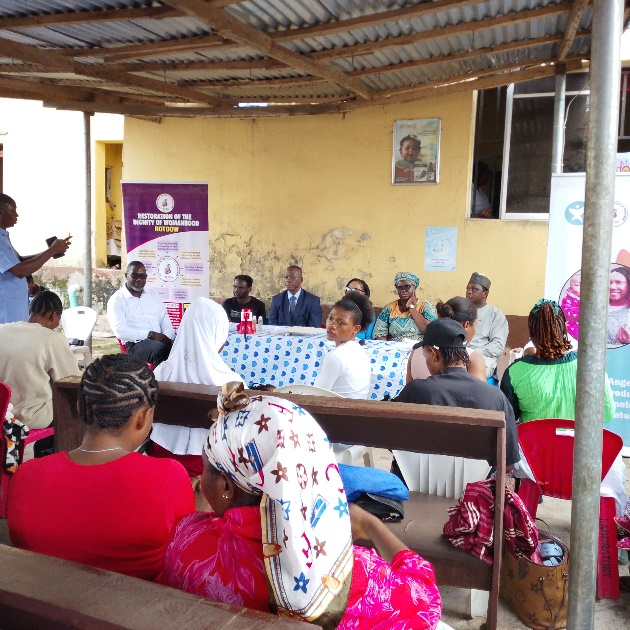
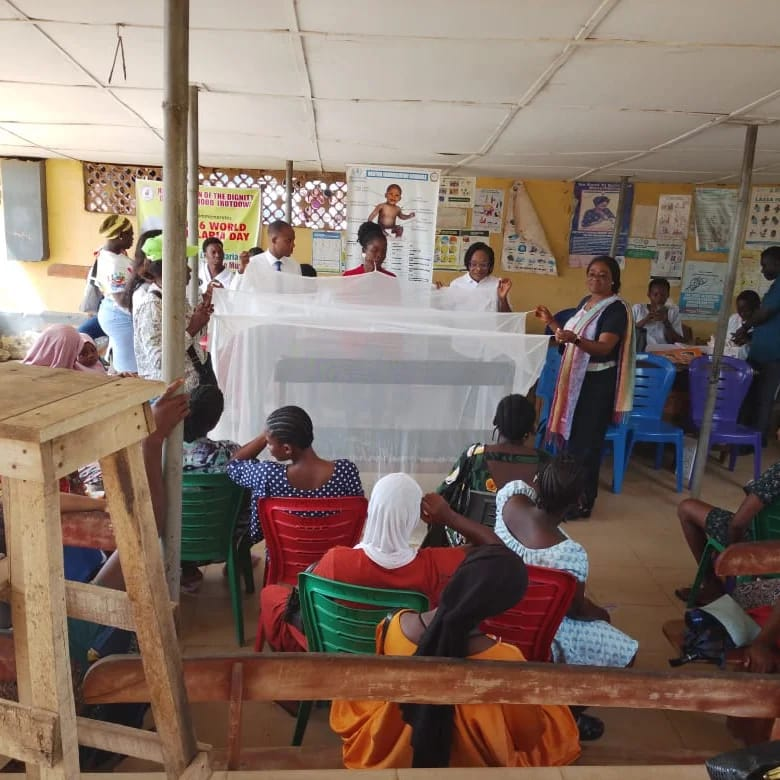
ROTDOW partnered with Malaria Consortium to maximize ITN utilization in Ile-Oluji/Okeigbo LGA, complementing net distribution with behavioural change, advocacy, and community mobilization. Activities: Advocacy with community, religious, and traditional leaders School sensitization and union engagement Street announcements and mass mobilization Through multi-platform engagement including meetings with traditional leaders, religious congregations, school programs, union sensitization, and street announcements. ROTDOW reached over 7,000 residents, reinforcing proper ITN use and dispelling myths. Teachers and students became ambassadors of change, sharing malaria prevention knowledge with families, while union leaders mobilized community members, creating a cascade effect in message dissemination. Community feedback highlighted increased trust in ITNs and appreciation for proactive engagement by ROTDOW, demonstrating behavioral shifts rooted in knowledge and credibility.

ROTDOW Impact
GF/NACA/RSSH C19 RM (ATM Project) Facility Monitoring and Community Engagement Completed
Community
GF/NACA/RSSH C19 RM (ATM Project) Facility Monitoring and Community Engagement

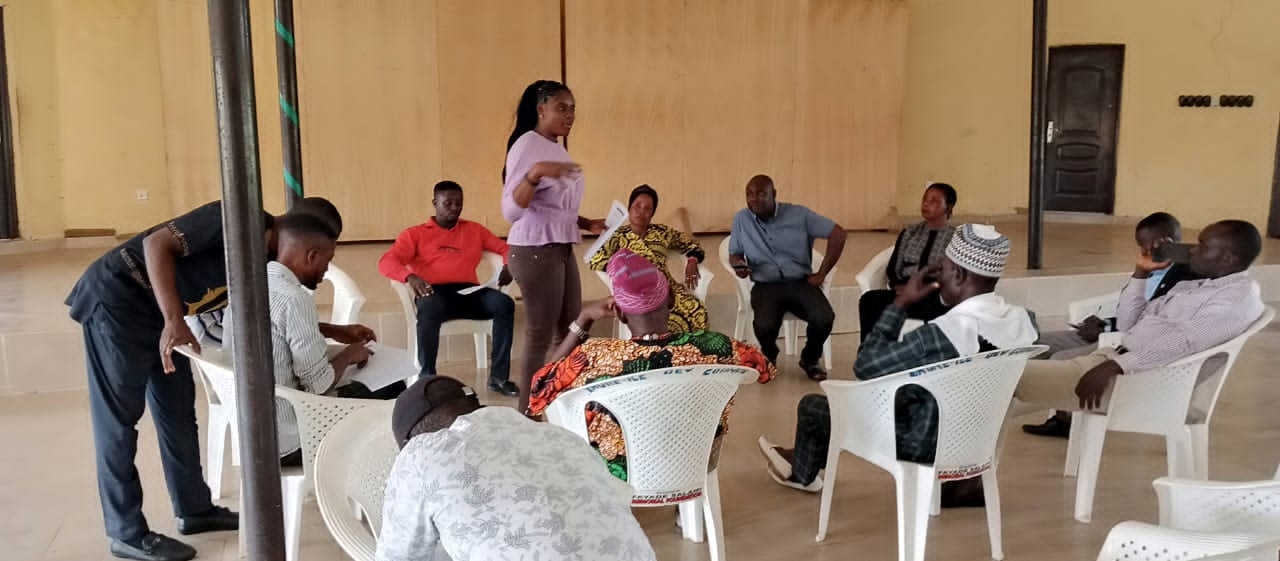
This intervention focused on assessing facility readiness, improving patient experience, and enhancing community engagement at Owena Owode Comprehensive Health Centre, Bolorunduro PHC and Elemo BHC. Services assessed included malaria, HIV/AIDS, tuberculosis, and COVID-19 treatment, as well as preventive and educational initiatives. ROTDOW undertook Client Exit Interviews (CEIs) and Focus Group Discussions (FGDs) to assess service delivery quality, uncover structural and operational challenges, and identify opportunities for improvement. Activities: Client Exit Interviews & Focus Group Discussions at Bolorunduro PHC, Elemo Health Facility, Owena Owode CHC. Youth-led facility maintenance campaigns. Community advocacy for structural and operational improvements. Gender-Based Violence and human rights awareness. Across all facilities, these interventions fostered a sense of shared responsibility among community members, youth groups, and local stakeholders. Clients experienced improved comfort, and the visibility of youth involvement reinforced intergenerational engagement in health facility upkeep. These efforts also created entry points for GBV and human rights advocacy, broadening the scope of health interventions to include social determinants and community empowerment.

ROTDOW Impact
AMPLI-PPHI Project: Reducing Maternal Mortality Completed
Healthcare
AMPLI-PPHI Project: Reducing Maternal Mortality

Implemented in Akure South, Idanre, and Owo LGAs, AMPLI-PPHI focused on reducing postpartum hemorrhage (PPH) deaths through community-facility integration, emergency preparedness, and respectful maternity care (RMC). Activities: Mapping and line-listing pregnant women Training CHIPS agents on referral and birth preparedness. Identification of TBAs on referral. Advocacy visits to political and community leaders. Community, Town Hall, markets and churches sensitization. Male engagement, faith-based mobilization, and transport union coordination Facility readiness improvements including incinerator establishment and calibrated drape procurement. Decoration of Owo and Akure South LGA Chairperson as PPH Champion. Training of over 66 frontline care providers on RMC. Catchment mapping identified pregnant women for line-listing and follow-up, while CHIPS agents conducted home visits and community sensitization. Male partners and faith leaders were engaged to support birth preparedness and emergency decision-making. Facility readiness improved through RMC training, infrastructure support, and emergency transport linkages.

ROTDOW Impact
ACCEL Africa Project Phase I Completed
Education
ACCEL Africa Project Phase I

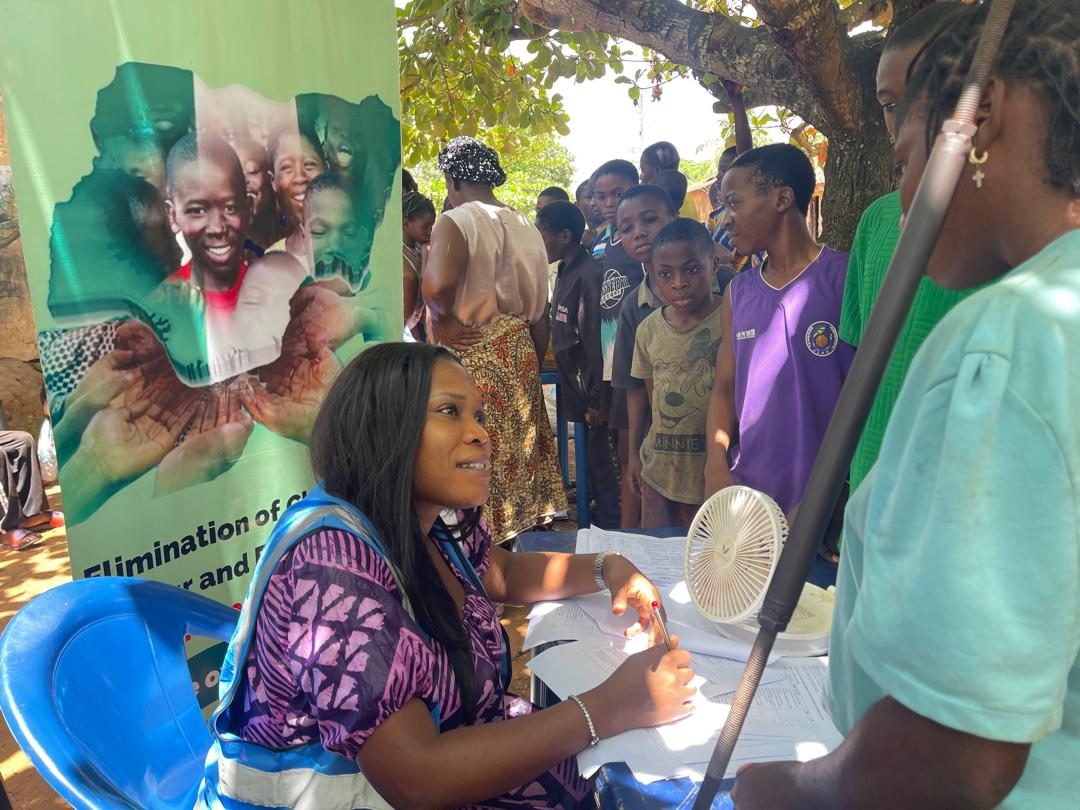
ACCEL Africa Project Phase I Accelerating action for the elimination of child labour in supply chains in Africa (ACCEL Africa) The ACCEL Africa Project has the overarching goal to accelerate the elimination of child labour in Africa, through targeted actions in the cocoa, cotton, coffee, tea and gold supply chains. It adopts an innovative systems-approach to tackling child labour that moves away from project-based downstream interventions towards strengthening existing systems that are critical to tackle root causes of child labour. The ACCEL AFRICA PROJECT is a well-defined project with a comprehensive package for the vulnerable in the society. The ACCEL AFRICA project is divided into three main categories; this is to ensure that the project achieves its aim in the development of the vulnerable in the society. The ACCEL AFRICA PROJECT is to be implemented in three categories, the vulnerable children, the youths and adults. In the children category, the project targets the all-round development of children by providing, education, health care support, psychosocial support, and SCREAM CLUB (This club helps to build confidence in children and also educate them on the rights a child has. The Club also teaches the fundamental human right as enshrined in our constitution). In the youth’s category, the youths are trained in different vocations which subsequently empowers them to be independent and to have economic strength. While the last category of the project, relates to adult empowerment. The adults who are economically handicapped and are willing to work and be productive, are provided with tools of trade. Restoration of the Dignity of Womanhood (ROTDOW) in collaborating with ACCEL AFRICA, has implemented the ACCEL AFRICA PROJECT in three communities in Ondo State, namely; Ipoba, Aponmu and Oke Agunla. The effort of ROTDOW in this collaboration, has yielded the following statistics, a total of three hundred and fourteen (314) children were re-enrolled school, a total number of one hundred and two (102) youth were trained in diverse skills and empowered with equipment to function in their learned trades, while a total of one hundred and twenty (120) adult were empowered with equipment. The ACCEL AFRICA PROJECT, under ROTDOW, has brought out hidden potentials, which have now been polished and developed in the children, youths and adults. A testament to this hard work was evidenced in the recent local government competition that was held in the state. The ACCEL AFRICA project children’s performances were exceptional thereby leading the group, by obtaining the first position. This success was only achievable because the children were not left to rot away in cocoa plantations rather, their education was sponsored by ACCEL AFRICA Project. Furthermore, the impact of ACCEL AFRICA Project in the youth have been felt. Localized fighting and disturbances by jobless youths have greatly reduced and more youths are now gainfully carrying out their trades, thereby putting their learned skills to use.

ROTDOW Impact